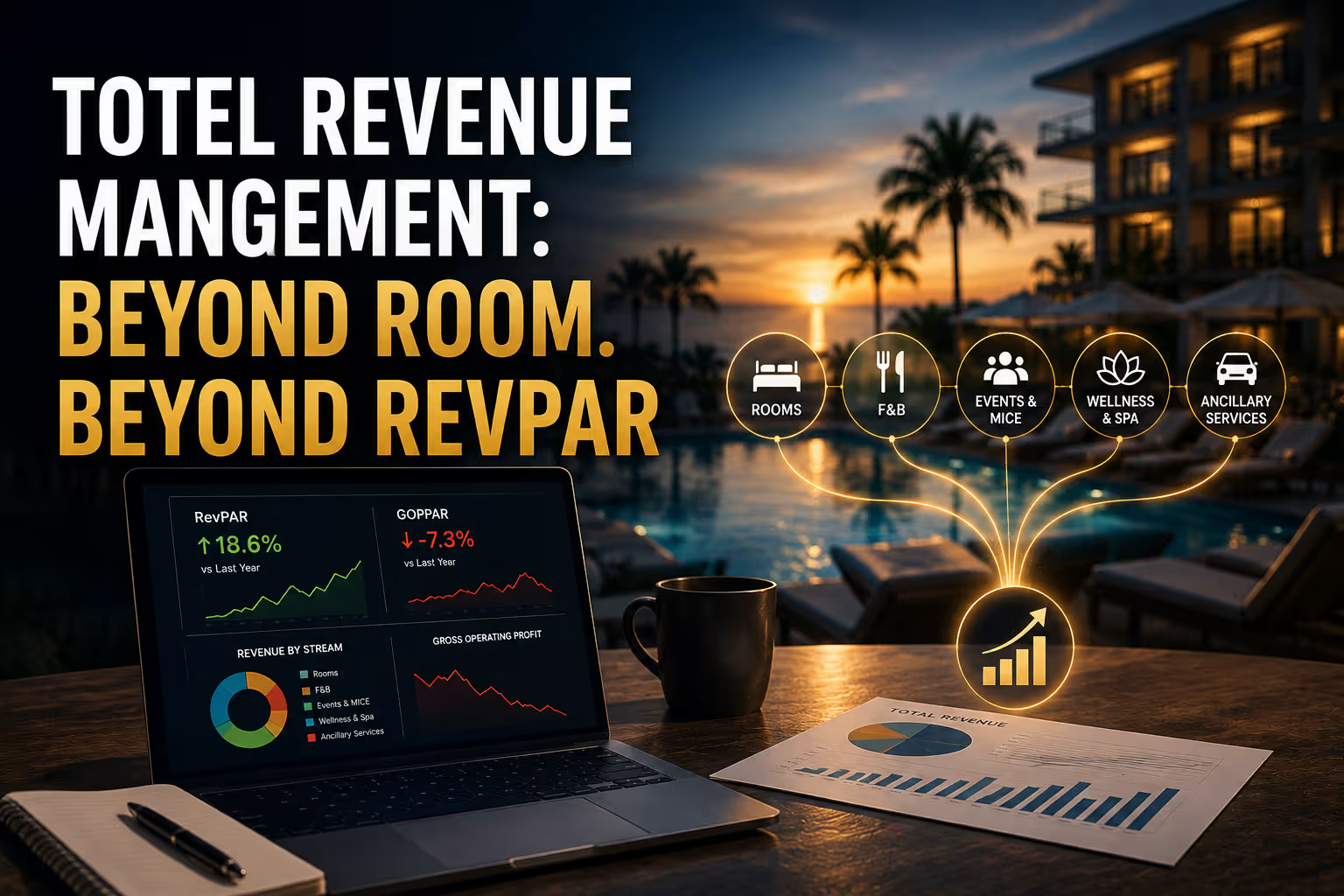


Key Takeaway: Every occupied room leaves money on the table when ancillary services are priced statically. Dynamic pricing of parking, breakfast, and spa services turns overlooked departmental revenue into measurable TRevPAR growth.
Ancillary Revenue: Pricing Parking, Breakfast, and Spa Services
A boutique property hits 100% occupancy on a busy holiday weekend. The front office celebrates a record ADR. A quick walk around the property tells a different story.
The dining room is in gridlock at 9:00 AM. Guests who paid a flat rate for breakfast are frustrated. The spa is fully booked at static prices, turning away premium walk-in requests. The complimentary parking lot has become an overflowing puzzle of vehicles.
When the monthly financials arrive, the celebration ends. High room revenues are diluted by inflated labor costs and massive distribution commissions. Ignoring add-on optimization sacrificed the profit margins that were already there. To boost TRevPAR beyond the base room rate, properties need dynamic tactics for pricing hotel ancillary revenue.
The Cost of Inaction and Static Pricing
RevPAR alone hides the true cost of acquiring and servicing a modern guest. Labor now consumes up to 43% of total operating expenses at some properties. When a property applies a flat rate for parking or a static printed menu for wellness, it fails to capture premium revenue during peak weekend demand. It also fails to incentivize off-peak consumption when those same facilities sit empty.
This erodes profitability directly. Guests are highly sensitive to base room rate increases — properties can no longer simply raise the nightly rate to cover rising operational costs. The solution requires a disciplined focus on non-room revenue. Every square foot must be treated as a yieldable asset.
Actionable Tactics for Hotel Ancillary Revenue Optimization
Static models leave revenue on the table. Revenue managers must apply data-driven pricing to secondary departments.
Optimize Breakfast with Time-Based Fences
Stop charging a single flat fee for morning dining. Calculate RevPASH first — divide total outlet revenue by available seats multiplied by opening hours. Then introduce a reduced rate for early diners to shift demand away from the peak rush. This flattens the demand curve, improves kitchen efficiency, and lets staff serve more covers without expanding physical dining space.
Unbundle Parking for OTA Visibility
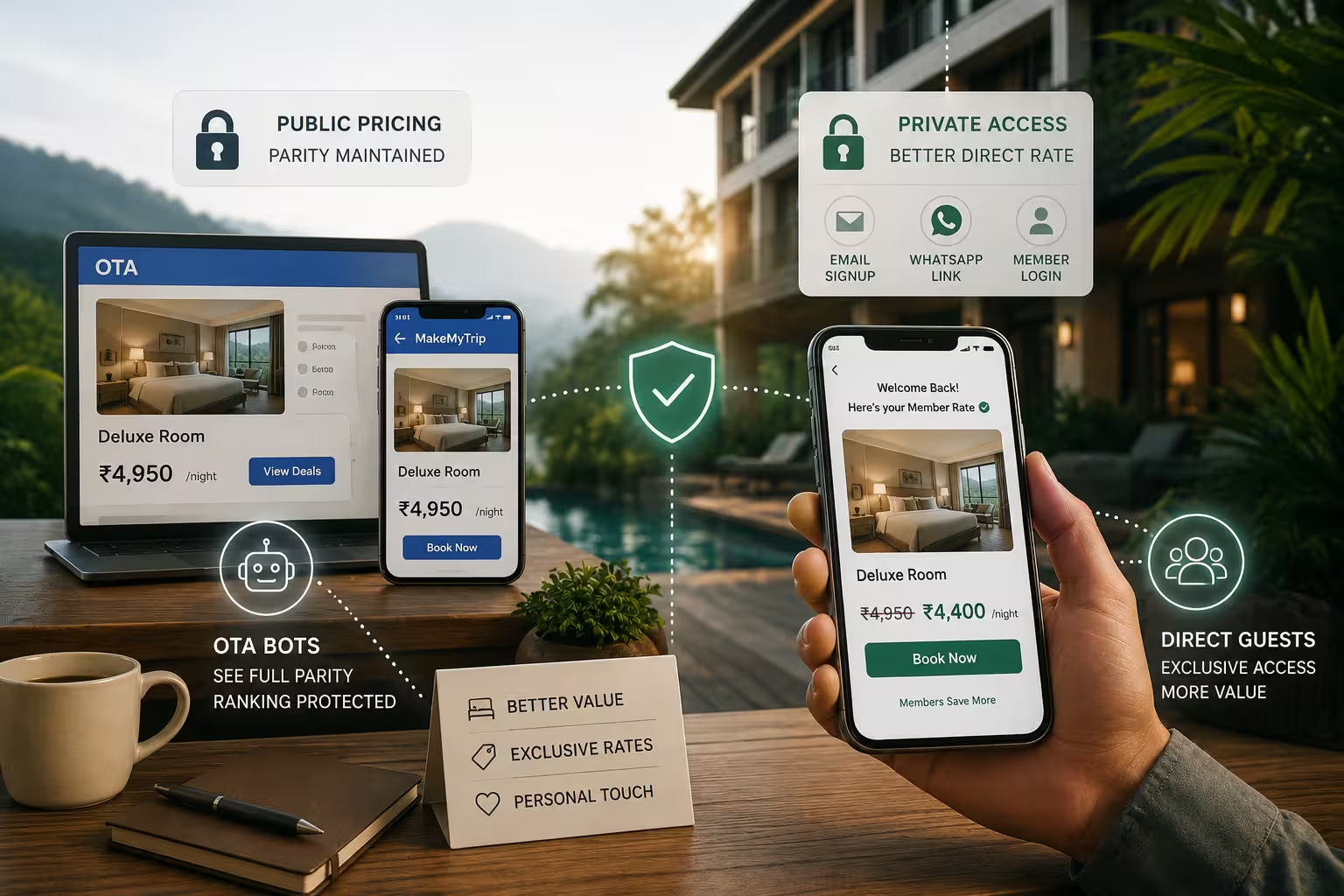
OTA shoppers filter search results by base room rate. Bundle parking into a high upfront rate and you lose algorithmic visibility. Unbundle it — lower your base rate to capture price-sensitive shoppers. Once the guest is booked, charge a dynamic premium for the finite parking space based on actual lot occupancy.
Deploy Dynamic Digital Spa Menus
Replace printed brochures with QR code menus accessible from each room. This operational shift lets you raise massage rates during peak Saturday hours and lower them to stimulate demand on quiet Tuesday mornings. Dynamic pricing maximizes revenue from every therapist hour.
Frame Add-ons as Mental Gains
Present ancillary services as complimentary value, not as discounts. This taps into mental accounting — guests segregate the gain into a separate account, creating higher transaction utility without touching room rate.
Total Revenue Management in Action
Coordination across distribution channels and on-property teams is what turns strategy into results.
Wednesday
The revenue manager calculates CPOR to establish a firm profitability baseline. This metric dictates the absolute minimum revenue required from each guest.
Thursday
The team configures the booking engine. A competitive room-only rate stays on OTAs to preserve search visibility. At the same time, a bundled package featuring breakfast and a spa credit goes live exclusively for direct bookings. Framing the add-on as a distinct, complimentary value makes the bundle feel like a significant gain.
Friday
Guests arrive and scan the new digital spa menu in their rooms. Weekend premiums are already reflected — no human intervention needed.
Saturday
Breakfast flows smoothly. Price-sensitive guests chose the early-bird dynamic rate, leaving ample tables for guests willing to pay full price at the 9:00 AM peak.
Sunday
The weekend closes with a 15% lift in TRevPAR. Higher total spend per guest, optimized staff utilization, and zero negative online reviews.
The Bottom Line
Total revenue management means treating your entire property as a commercial ecosystem. Non-room revenue is no longer a static afterthought — it is a core profit lever in today's high-cost operating environment. Dynamic pricing across all departments secures the margins needed to thrive.
Ready to build a hotel ancillary revenue strategy tailored to your property? Grow Engine works with hotels across India and globally to implement revenue management systems that fit your market, your guests, and your goals. Get in touch with us today.